R&D Restructuring for the Embodied AI Era
Li Auto has completed a major R&D system overhaul in early 2026, abandoning the traditional organizational structure divided by software and hardware functions and rebuilding it around an "embodied AI-first" philosophy. This restructuring has broken down the barriers between software and hardware teams, yielding immediate results — intelligent driving model training iteration cycles have been slashed from two weeks to just one day.
Two Robot Products Officially Greenlit
Li Auto has formally greenlit two robot products:
- Wheeled robot: Targeted at factory and commercial scenarios, focusing on operational efficiency in structured environments
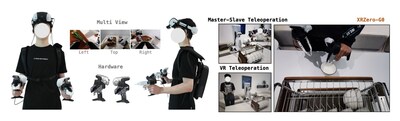
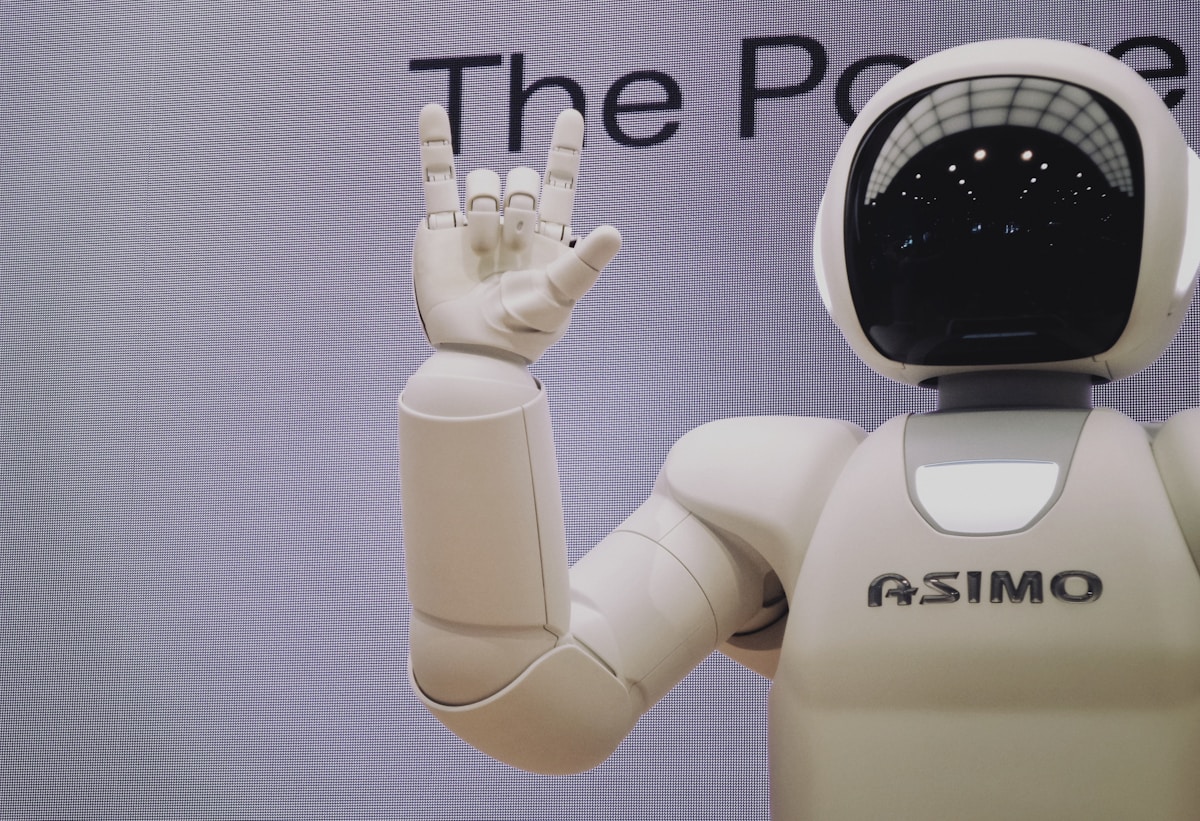
- Humanoid robot: Focused on hardware control precision and durability, designed for more complex manipulation tasks
According to Li Auto Chairman and CEO Li Xiang, autonomous driving represents the "first half" of embodied AI, while general-purpose humanoid robots constitute the "second half." The latter requires migrating and iterating upon the core capabilities accumulated in the first half. This R&D restructuring and robot product greenlight mark Li Auto's preparations for the second half of the embodied AI race.
Strategic Significance
Li Auto's move signals a broader trend of Chinese automotive OEMs pivoting from smart driving to full-stack embodied AI development. By leveraging its accumulated expertise in autonomous driving perception, decision-making, and control systems, Li Auto is positioning itself to compete in the emerging robotics market alongside traditional robot makers and internet giants.