At Bosch Connected World 2026 held in Berlin from June 10-11, industry leaders from manufacturing, internet, and automotive sectors discussed the next phase of AI development. A consensus emerged: AI is transitioning from digital content generation to large-scale physical world applications, with manufacturing becoming the most critical deployment scenario.
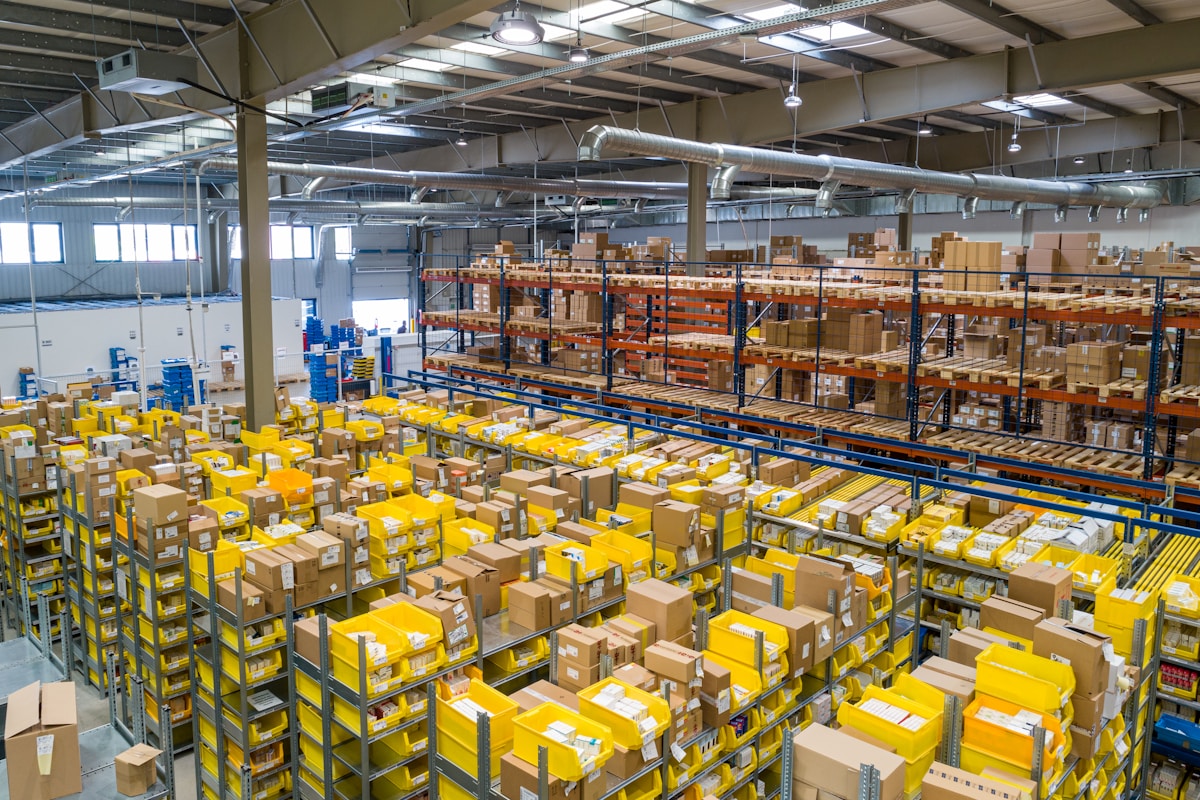
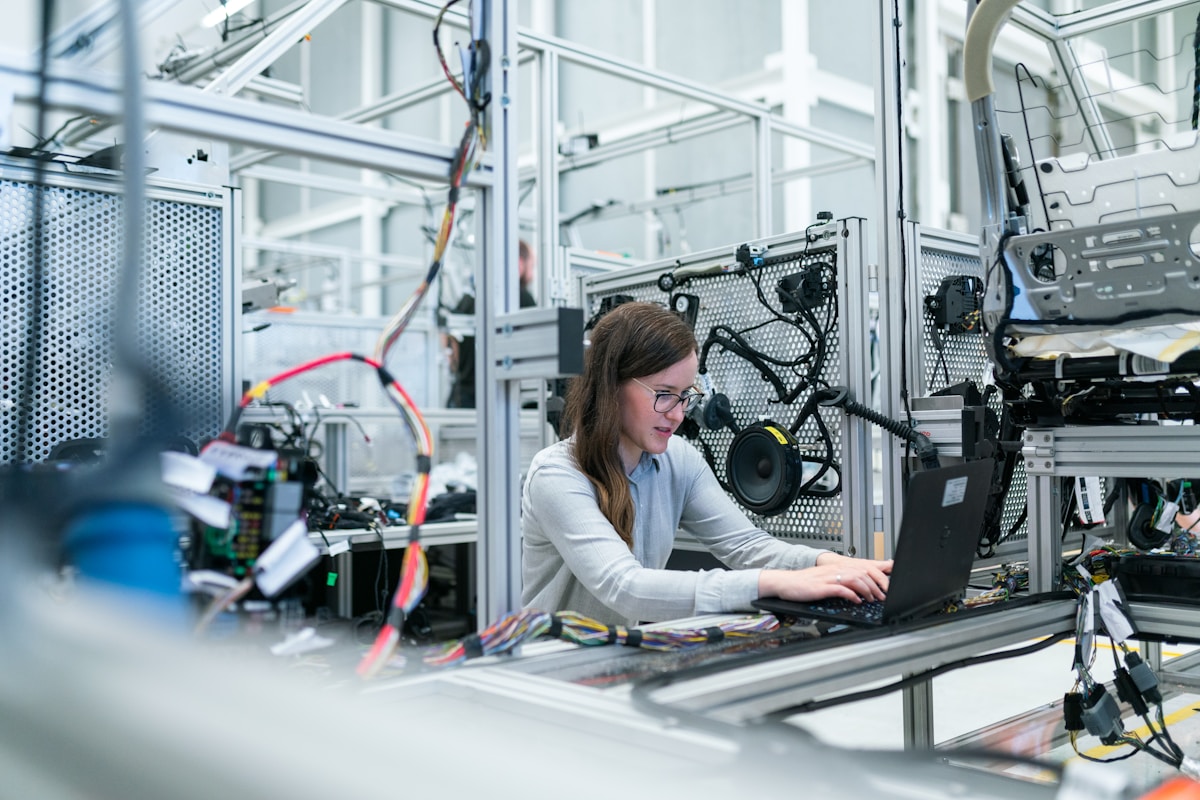
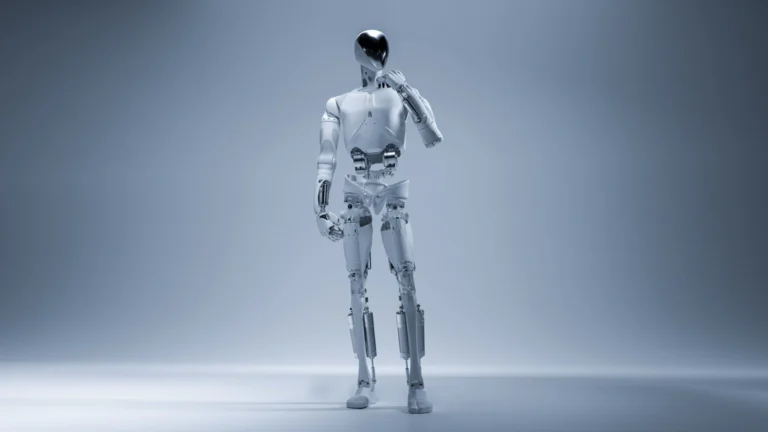
Bosch Chairman Stefan Hartung noted that the humanoid robotics industry is entering a rapid development phase, but large-scale adoption depends on scenario maturity. Factory environments will be the first key deployment scenes due to their higher standardization and controllability. "Factories are not just application scenarios — they are training grounds," Hartung said.
Hartung emphasized that robots are evolving from executing simple tasks to 'understanding environments.' Future embodied AI robots will need to integrate vision, touch, and other perceptual capabilities, with MEMS sensors being core to perceiving the physical world. Bosch established a robotics center in China earlier this year to accelerate collaborative innovation with local partners.
Alibaba Chairman Joe Tsai highlighted that global tech giants are investing heavily in 'AI factories,' with major cloud providers expected to spend approximately $800 billion on capex this year alone. He noted that Germany and China, as major manufacturing nations, possess vast factory data, production process data, and industrial scenario data — resources that will become crucial foundations for industrial AI development. "AI's next phase will move from the digital world to the physical world," Tsai said.
Volkswagen Chairman Oliver Blume stated that the auto industry is undergoing a deep transformation from mechanical-driven to software-driven to AI-empowered. AI is reshaping both product development and end-user experience, spanning intelligent cockpits, voice interaction, autonomous driving, and enterprise R&D systems. VW is working with Chinese partners to develop intelligent driving systems, planning to launch in the Chinese market first.
The consensus across all participants was clear: from embodied intelligence to humanoid robots, from industrial production to autonomous driving, the integration of AI with the real economy is accelerating. The focus of global industrial competition is shifting from algorithmic capability to systematic deployment in the real world.