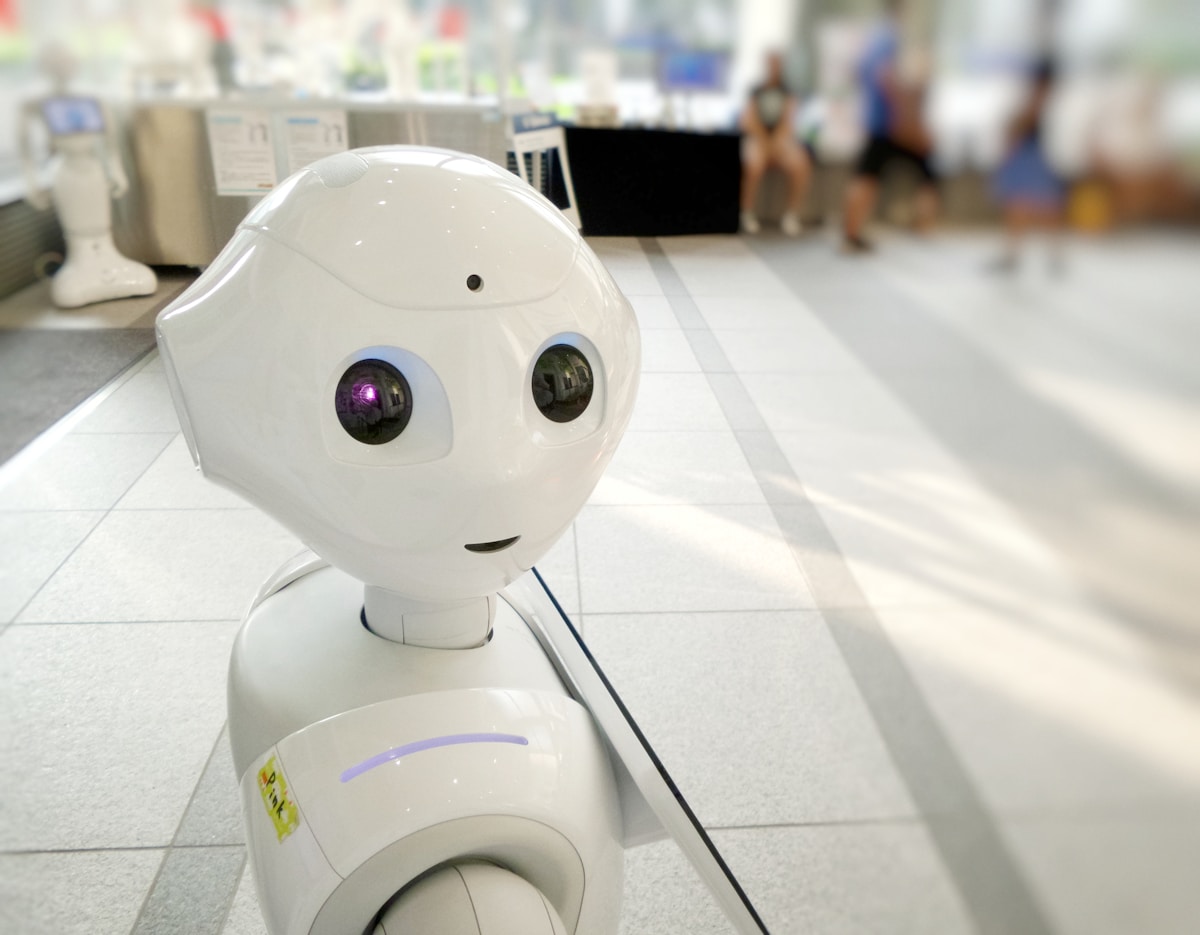
Amazon has taken a major leap in warehouse automation by embedding natural language AI directly into its robot fleet. At the company's Delivering the Future event in London on June 4, 2026, Amazon unveiled a next-generation Proteus autonomous mobile robot that can understand and execute plain-English instructions from warehouse workers—no programming, no technical syntax, no engineer required.
Natural Language: The Key Breakthrough
"You tell it what needs to be done. It figures out the priority, the route, the timing," said Scott Dresser, Vice President of Amazon Robotics. "It becomes your assistant for material movement." The upgraded Proteus represents a paradigm shift: instead of following pre-mapped routes and pre-set tasks, the robot interprets conversational commands and plans its actions autonomously. This capability, powered by the same large language model technology that drives modern chatbots, removes the single biggest bottleneck in warehouse robotics—the need for specialized programming to deploy or redirect a machine.
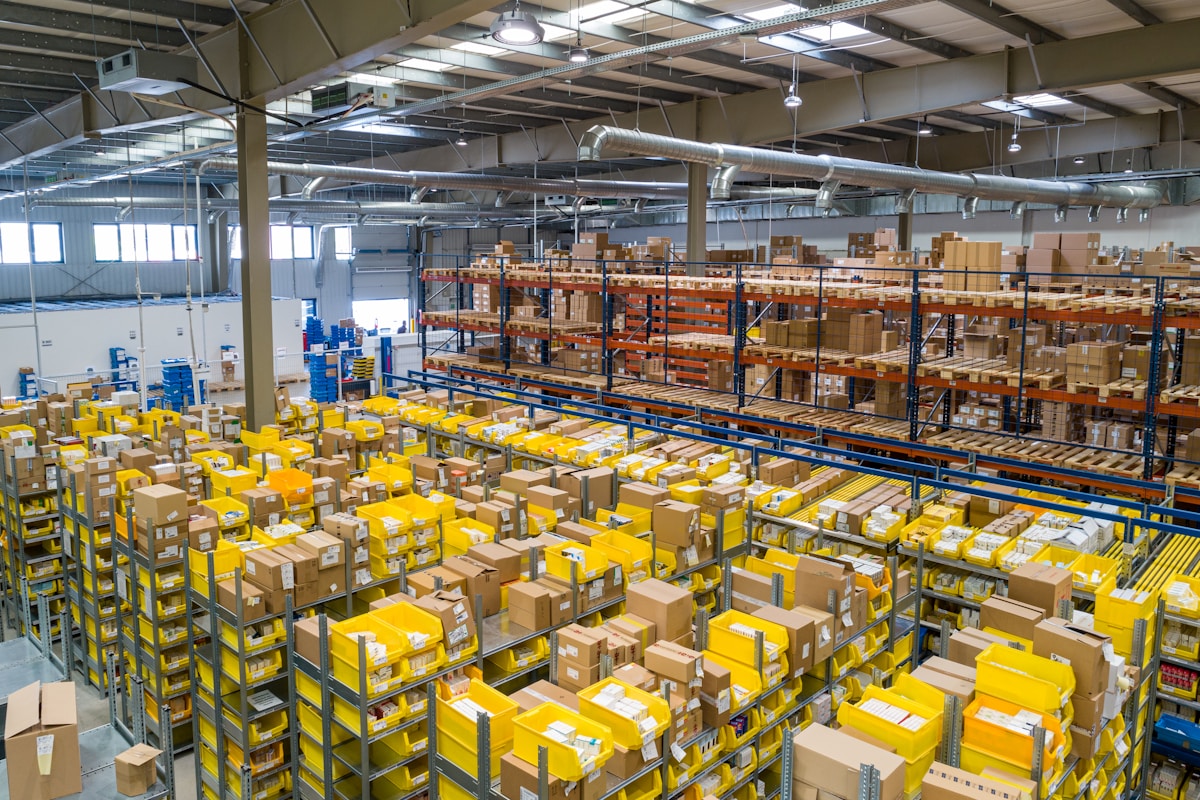
The current-generation Proteus already operates at 25 Amazon fulfillment centers across the United States, primarily moving heavy carts weighing up to 400 kg in dock areas. The next-gen version is designed to travel much farther, operating anywhere items need to be moved—from transporting arriving containers to transferring goods between workstations and assisting employees across fulfillment and delivery sites.
€10 Billion European Expansion
Amazon paired the robotics announcement with a massive spending commitment: more than €10 billion ($11.6 billion) to modernize and expand its European fulfillment network, alongside plans to hire 25,000 additional workers. The company also showcased STARK, a collaborative tote-handling system, and Vulcan, its first touch-sensing robot for precision picking. STARK is planned to expand to 15 European sites by 2027.
Amazon UK Country Manager John Boumphrey addressed the employment debate directly: "Our experience of robots is that it's actually driven up employment rather than the reverse." The company currently operates more than one million robots across its global network and employs approximately 1.56 million people worldwide.